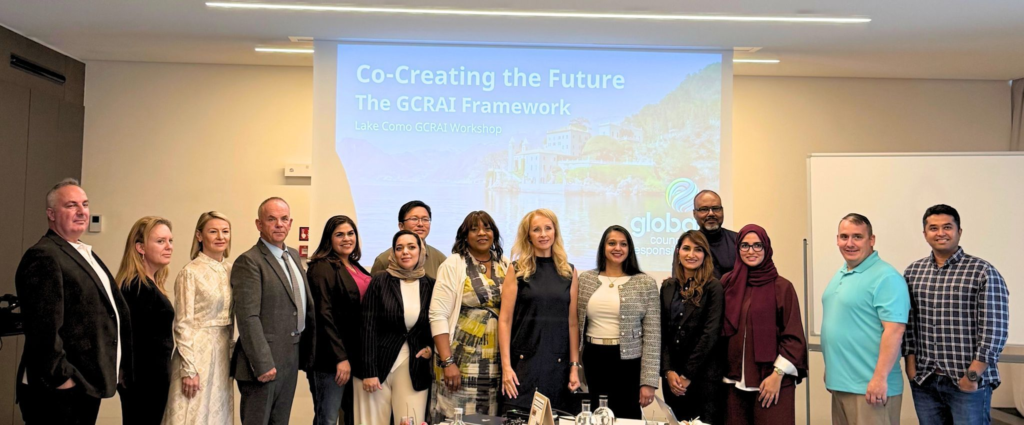
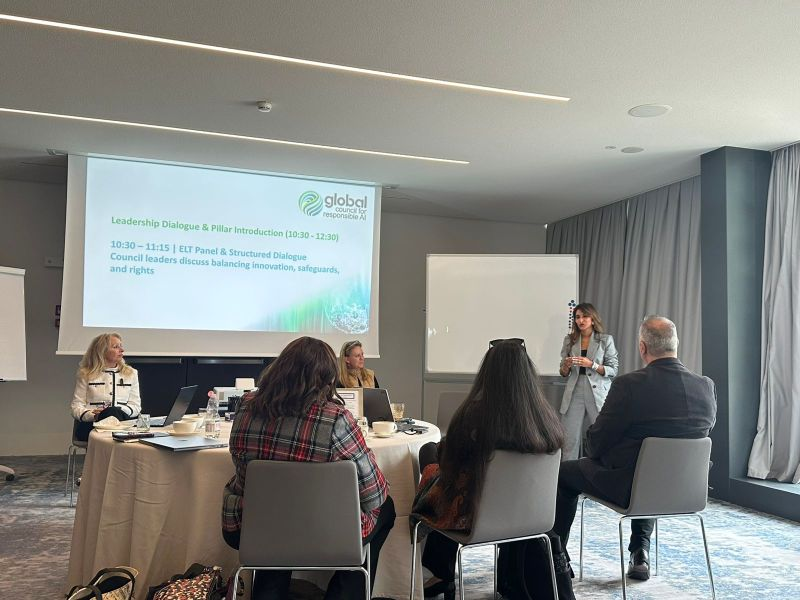
Last week, I had the privilege to take part in the Global Council for Responsible AI Leadership Workshop at Lake Como, Italy — a unique gathering of leaders from government, industry, and academia working together on one of the most pressing challenges of our time.
𝐅𝐨𝐫 𝐭𝐰𝐨 𝐝𝐚𝐲𝐬, 𝐰𝐞 𝐜𝐨𝐥𝐥𝐚𝐛𝐨𝐫𝐚𝐭𝐞𝐝 𝐭𝐨 𝐬𝐡𝐚𝐩𝐞 𝐭𝐡𝐞 𝐟𝐢𝐫𝐬𝐭 𝐝𝐫𝐚𝐟𝐭 𝐨𝐟 𝐭𝐡𝐞 𝐆𝐥𝐨𝐛𝐚𝐥 𝐑𝐞𝐬𝐩𝐨𝐧𝐬𝐢𝐛𝐥𝐞 𝐀𝐈 𝐅𝐫𝐚𝐦𝐞𝐰𝐨𝐫𝐤, 𝐚 𝐦𝐢𝐥𝐞𝐬𝐭𝐨𝐧𝐞 𝐭𝐡𝐚𝐭 𝐰𝐢𝐥𝐥 𝐜𝐨𝐧𝐭𝐢𝐧𝐮𝐞 𝐭𝐨 𝐞𝐯𝐨𝐥𝐯𝐞 𝐚𝐧𝐝 𝐮𝐥𝐭𝐢𝐦𝐚𝐭𝐞𝐥𝐲 𝐛𝐞 𝐩𝐫𝐞𝐬𝐞𝐧𝐭𝐞𝐝 𝐨𝐧 𝐭𝐡𝐞 𝐰𝐨𝐫𝐥𝐝 𝐬𝐭𝐚𝐠𝐞 𝐚𝐭

𝐃𝐚𝐯𝐨𝐬 2026
The energy in the room was remarkable: intense discussions, rigorous debates, and above all a shared sense of responsibility. The outcome was more than just drafting a framework — it was about defining principles that will guide how societies and businesses around the world experience AI in their daily lives.
Key reflections that stood out for me:

AI must be built with trust and accountability at its core.
Human oversight and ethical leadership are non-negotiable.
Innovation without responsibility risks leaving society behind.
Inspired by the diversity of thought and the collective commitment to ensure that AI is developed with ethics, accountability, and trust at its core.